




Sleeping During Pregnancy — Safe Positions by Trimester, Pillow Guide & Sleep Tips
By
Gynecologist & pregnancy doctor
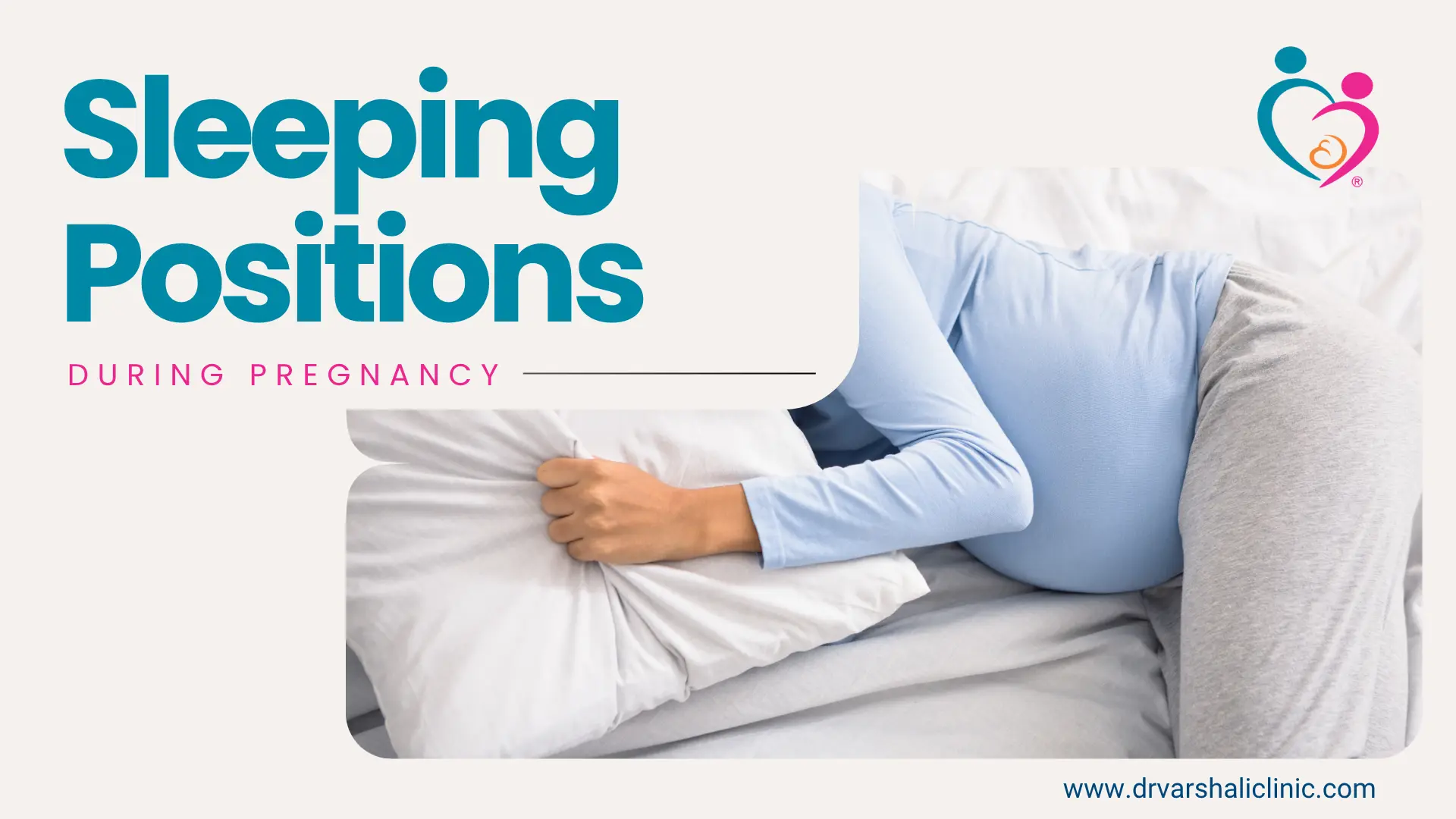
Sleep becomes a good priority during pregnancy, but actually getting a good sleep isn't so easy.
Between the growing bump, the frequent bathroom trips, the back aches, the vivid dreams, and the 3 am lying-awake-wondering-if-everything-is-okay, it's safe to say that sleep in pregnancy is its own journey.
If you've been searching for the right sleeping position during pregnancy or wondering whether it's safe to sleep on your back or on your sides or looking into pregnancy pillows, or trying to understand why insomnia has arrived uninvited — this article is for you.
We'll take it trimester by trimester, position by position, and sleep concern at a time. The goal: clear, honest, reassuring guidance that actually helps you rest.
ARTICLE OUTLINE
What You Will Learn in this article
Reading time: Approx. 8–10 minutes
Why Sleep Changes During Pregnancy — First, Second & Third Trimester
Sleeping Positions — What Is Safe, What to Avoid, and the Science Behind It
Left Side vs. Right Side vs. Back — Detailed Guidance
Sleeping Positions by Trimester — Quick Reference
Pregnancy Pillows — C-Shape, U-Shape, Wedge & How to Use Them
Insomnia During Pregnancy — Why It Happens & What Helps
5 Natural Ways to Improve Sleep During Pregnancy
Snoring and Excessive Sleepiness — What's Normal?
Frequently Asked Questions (FAQs)
Why Sleep Changes During Pregnancy — and Why It Matters
Sleep during pregnancy is not simply a matter of comfort, it is one of the body's primary recovery and restoration mechanism — and during pregnancy, the body has an enormous amount of rebuilding, growing, and adapting to do. Sleep disruption is not trivial. It affects energy, mood, immune function, blood pressure, and even labour outcomes.
Understanding why sleep changes at each stage of pregnancy helps you work with your body rather than against it.
First Trimester — Fatigue, Frequent Urination & Early Sleep Disruption
The first trimester brings one of pregnancy's great contradictions: you are exhausted, yet you cannot sleep well.
The dramatic rise in progesterone in early pregnancy causes profound fatigue — many women feel sleepy all day, only to find themselves awake at night. Add to this the frequent need to urinate, nausea that may strike at any hour, and heightened anxiety about the pregnancy itself — and you have a perfect recipe for broken sleep.
Sleeping position is less critical in the first trimester from a physiological standpoint — the uterus is still small and sits within the pelvis. You can still sleep on your stomach or back comfortably at this stage, if that is your natural preference.
Insomnia in early pregnancy is common and well-documented. If you are struggling to fall or stay asleep in the first trimester, you are not alone — and we address this in detail in Section 4.
Second Trimester — The Relative Comfort Window
For many women, the second trimester brings a welcome improvement in sleep quality. Nausea often settles, energy levels stabilise, and the extreme early fatigue begins to lift. This is often described as the most comfortable sleep period of pregnancy.
However, as the bump begins to show — typically from around 16–20 weeks — back sleeping becomes progressively less comfortable, and sleeping on your stomach becomes impractical. The second trimester is the ideal time to start adapting your sleep position and experimenting with pillow support.
Sleeping position during pregnancy in the 5th month (around 20 weeks) is a common search query — and this is exactly the stage where most women first start feeling the need for guidance.
Third Trimester — When Sleep Becomes the Hardest
The third trimester is, for most women, the most challenging time for sleep. The reasons are numerous:
Physical discomfort — back pain, hip pain, rib pressure, and the sheer weight of the bump
Heartburn and acid reflux, which worsen when lying flat
Shortness of breath as the uterus presses upward on the diaphragm
Increased foetal movement, often more noticeable at night
Restless legs syndrome — an uncomfortable urge to move the legs, common in pregnancy
Anxiety about the approaching delivery time
Frequent urination returning as the baby's head descends and presses on the bladder
It is also in the third trimester that sleeping position becomes most clinically significant — particularly for women managing high blood pressure during pregnancy, where circulation support during sleep is an active part of care.
Research Reference:
"Sleep disturbances are highly prevalent during pregnancy, with up to 78% of pregnant women reporting sleep problems — particularly in the third trimester."
Mindell JA, et al. Sleep Disorders During Pregnancy. Sleep Medicine. 2015.
Sleeping Positions During Pregnancy — What Is Safe, What to Avoid, and Why
This is the section most women are searching for. Let's address each position clearly and honestly, without unnecessary alarm.
The Left Side — Why It Is the Most Recommended Position
Sleeping on the left side is widely recommended during pregnancy — particularly from the second trimester onwards — and for good physiological reasons.
The inferior vena cava (IVC) is the large vein that runs along the right side of the spine and carries blood back to the heart from the lower body. When a pregnant woman lies on her back or right side for extended periods, the weight of the growing uterus can partially compress this vessel, reducing blood return to the heart and, consequently, blood flow to the placenta and baby.
Lying on the left side takes the uterus's weight off the IVC, allowing for optimal circulation to the placenta and baby. It also supports kidney function (reducing fluid retention and swelling) and can ease heartburn by keeping the stomach below the oesophagus.
Why Left-Side Sleeping Is Recommended
Reduces compression of the inferior vena cava — supports circulation to the baby. Improves kidney function — may reduce swelling in hands, ankles and feet. Helps ease heartburn and acid reflux.
Most comfortable position as the bump grows — weight falls naturally forward. Recommended from second trimester onward; most important in the third trimester.
Sleeping on the Right Side During Pregnancy — Is It Safe?
This is a question that causes a lot of anxiety — and the answer is more reassuring than many women expect.
Sleeping on the right side during pregnancy is generally considered safe. While the left side is the preferred position for the reasons described above, occasional or partial right-side sleeping is not associated with harm in most pregnancies.
The concern about the right side is theoretical — slightly greater compression of the IVC compared to the left — but in practice, healthy pregnant women naturally shift positions throughout the night. It is the extended, uninterrupted positions that matter, not every movement.
The Reassuring Reality
If you wake up on your right side — or even on your back — in the night, do not panic. The body has natural protective mechanisms. Discomfort and the urge to shift positions are the body's way of signalling that a position change is needed.
The goal is to start sleep on your left side and use pillows to make that position sustainable throughout the night.
Obsessing over every sleeping position change is counterproductive — good sleep matters too.
Sleeping on Your Back During Pregnancy — When Does It Become a Concern?
In the first trimester, sleeping on your back is perfectly fine. The uterus is small, and there is no significant pressure on the major blood vessels.
From around 20 weeks onward — and increasingly so in the third trimester — prolonged back sleeping is generally not advised. As the uterus grows, lying flat on the back means its full weight rests on the aorta (the main artery supplying blood to the lower body) and the inferior vena cava. This can reduce circulation to both the mother and the baby.
Symptoms that may indicate compromised circulation when lying on your back include: dizziness, shortness of breath, feeling of faintness, nausea, or a general sense of unease. If you notice these — turn onto your side.
Research Note:
"Going to sleep in a non-supine position in late pregnancy is associated with a reduction in late stillbirth. Women should be advised to go to sleep on their side in the third trimester."
Heazell AEP, et al. BJOG:
An International Journal of Obstetrics and Gynaecology, 2018
Important Perspective on Back-Sleeping Research
The research on back sleeping and adverse outcomes is based on 'going to sleep' position — not occasional rolling.
If you wake up on your back, simply roll onto your side. This is sufficient.
Do not let anxiety about sleep position rob you of the sleep you need. Stress and sleep deprivation also affect pregnancy outcomes.
If you have concerns specific to your pregnancy, discuss them with your doctor at your next antenatal visit.
Sleeping on Your Stomach — First Trimester and Beyond
Many women who naturally sleep on their stomachs wonder how long they can continue this position. The honest answer is: for as long as it is comfortable, which for most women is until about 14-16 weeks.
In the first trimester, stomach sleeping poses no physiological risk to the baby — the uterus is well-protected within the pelvis and the baby is cushioned by amniotic fluid. As the bump grows, stomach sleeping simply becomes physically impossible and naturally self-corrects.
There is no clinical evidence that stomach sleeping in early pregnancy causes harm. If it is your natural position and you are comfortable, there is no need to force an immediate change.
Sleeping Positions by Trimester — Quick Reference
| Trimester | Recommended | Acceptable | Avoid / Be Mindful Of |
|---|---|---|---|
| First Trimester (Weeks 1–12) | Any position — left side habit is good to start building | Back, right side, stomach — all fine | Nothing to avoid; comfort is the guide |
| Second Trimester (Weeks 13–26) | Left side — begin using pillow support now | Right side acceptable; stomach until uncomfortable | Prolonged flat back sleeping from ~20 weeks onward |
| Third Trimester (Weeks 27–40+) | Left side with pillow support — most important trimester for position | Right side for short periods; shift if uncomfortable | Extended back sleeping; stomach no longer possible |
This table is for general guidance only. Individual circumstances vary. Discuss any specific concerns with your doctor at your antenatal visit.
Pregnancy Pillows — Types, Shapes & How They Help
Alongside positioning guidance, the most searched topic in this cluster is pregnancy pillows. And for good reason — the right pillow support can transform sleep comfort in the second and third trimesters.
Why a Regular Pillow Often Isn't Enough
A standard pillow is designed for head support. During pregnancy, the support needs shift dramatically — the bump needs forward support, the lower back needs cushioning, the hips need alignment, and the knees need separation to reduce hip and pelvic pressure. A single regular pillow simply cannot address all of these at once.
This is where purpose-designed pregnancy pillows — also called maternity pillows or body pillows — make a meaningful difference. They are shaped to support multiple points of the body simultaneously, and they help to maintain the recommended left-side position throughout the night without constant readjustment.
Types of Pregnancy Pillows — C-Shape, U-Shape, Wedge & More
A standard pillow is designed for head support. During pregnancy, the support needs shift dramatically — the bump needs forward support, the lower back needs cushioning, the hips need alignment, and the knees need separation to reduce hip and pelvic pressure. A single regular pillow simply cannot address all of these at once.
| Pillow Type | Shape & Design | Best For | Notes |
|---|---|---|---|
| C-Shape (Crescent) | Curved, wraps around one side of the body | Full-body support on one side; bump support + back support simultaneously | Most commonly used pregnancy pillow; fits single bed; easier to reposition |
| U-Shape (Full Body) | Wraps around both sides — head, bump, back | Women who shift sides in the night; maximum all-round support | Larger; needs more bed space; good for third trimester |
| Wedge (Triangular) | Small, firm triangular cushion | Targeted support under the bump or behind the back; heartburn relief (elevated upper body) | Compact; affordable; versatile; easy to travel with |
| Full-Length Body Pillow | Long, straight pillow — full body length | Hip and knee alignment; hugging for comfort | Simpler than C/U shape; affordable starting option |
| Nursing / Feeding Pillow | Horseshoe shape | Post-delivery breastfeeding support; some use in late pregnancy for bump support | Dual-purpose value |
NMC Compliance note for team: This section describes pillow types only — no brand names are mentioned. Direct women to discuss with their doctor or pharmacist if guidance on specific products is needed.
How to Use Pillows for Support — Practical Positioning Tips
You do not necessarily need a specialist pregnancy pillow to sleep better — strategic use of regular pillows can achieve a great deal:
Between the knees: Place a pillow between your knees when lying on your side. This keeps the hips aligned and reduces lower back and hip pain significantly.
Under the bump: A small pillow or folded blanket placed under the growing abdomen when lying on your side prevents the bump from pulling on your lower back.
Behind your back: A pillow tucked against your back prevents rolling onto your back during sleep.
Under your upper arm: When lying on your side, propping the upper arm on a pillow reduces shoulder pressure and helps maintain a comfortable position.
Elevated upper body: If heartburn is significant, propping yourself at a slight incline (using extra pillows under the head and upper back) can help reduce acid reflux at night.
Sleep Quality Issues During Pregnancy — Insomnia, Snoring & Excessive Sleepiness
Sleeping position is only part of the story. For many pregnant women, the bigger challenge is not how they sleep — it's whether they can sleep at all.
Insomnia During Pregnancy — Why It Happens and What Helps
Insomnia during pregnancy is far more common than most women realise. Studies suggest that up to 78% of pregnant women experience some form of sleep disturbance, with true insomnia — difficulty falling or staying asleep — affecting a significant proportion, particularly in the first and third trimesters.
Understanding why insomnia happens is the first step toward managing it without unnecessary medication.
Common causes of pregnancy insomnia:
Hormonal shifts: Progesterone causes daytime fatigue but can paradoxically disrupt nighttime sleep architecture.
Physical discomfort: Back pain, heartburn, hip pressure, and bump discomfort make finding a comfortable position difficult.
Frequent urination: Waking multiple times to urinate fragments sleep, making it hard to return to deep sleep stages.
Restless legs syndrome (RLS): An uncomfortable, irresistible urge to move the legs, often worse at night — affects approximately 25% of pregnant women and is associated with iron deficiency.
Anxiety and mental load: Worries about the pregnancy, birth, or new parenthood are most intrusive at night when other distractions are absent.
Vivid dreams: Common in pregnancy due to hormonal changes and increased REM(Rapid eye movement) sleep fragmentation.
5 Natural Ways to Improve Sleep During Pregnancy
The goal is to support sleep through safe, non-pharmacological approaches. Always discuss any supplement or significant dietary change with your doctor before trying it.
Establish a consistent sleep schedule. Going to bed and waking at the same time each day regulates your circadian rhythm — even if the quality of sleep varies. Consistency matters more than duration.
Create a wind-down routine. A warm (not hot) shower before bed, gentle stretching or prenatal yoga, dimmed lights, and avoiding screens for 30–60 minutes before sleep all signal to the body that it is time to rest. This is not just self-care advice — it has a physiological basis in melatonin production.
Manage fluid intake timing. Stay well-hydrated through the day, but reduce fluid intake in the 1–2 hours before bed to minimise nighttime urination. Do not restrict fluids during the day — hydration during pregnancy matters.
Address physical discomfort proactively. Use pillow support as described in Section 3. Sleep on your left side. If heartburn is disturbing your sleep, a light early dinner, avoiding lying down within 2 hours of eating, and an elevated sleeping position can all reduce nocturnal reflux.
Manage anxiety through connection and information. For many pregnant women, the 3am anxiety spiral is the primary driver of insomnia — not physical discomfort. Journalling worries before bed, speaking openly with your partner, and ensuring you have a trusted doctor to ask questions freely can significantly reduce sleep-disrupting anxiety. Information is calming. Isolation amplifies fear.
A Note on Sleep Medications During Pregnancy
Most over-the-counter sleep aids and antihistamines used for sleep are not recommended during pregnancy.
Do not self-medicate for insomnia during pregnancy without medical guidance. If your insomnia is severe and affecting your daily functioning or mental health, speak to your doctor at your next antenatal care visit — it is a recognised and manageable part of pregnancy. Safe options exist and can be discussed on a case-by-case basis.
Melatonin supplements, while popular, have limited safety data in pregnancy — discuss with your doctor before taking.
Snoring During Pregnancy — Is It Normal?
Yes — snoring during pregnancy is common, and for many women it is entirely new. It tends to increase as pregnancy progresses, particularly in the third trimester.
The main cause is increased nasal congestion (pregnancy rhinitis), which affects many women due to hormonal changes causing the nasal mucosa to swell. The growing uterus also reduces lung capacity, changing breathing patterns during sleep.
Mild snoring in pregnancy is generally not a concern. However, it is worth mentioning to your doctor if:
Snoring is loud, frequent, and significantly disrupts your sleep or your partner's
You wake up feeling unrefreshed despite what feels like adequate sleep
You or your partner notice that you stop breathing briefly during sleep, or gasp for breath — this may indicate sleep apnoea, which requires medical evaluation
Obstructive sleep apnoea in pregnancy is associated with higher blood pressure and should not be ignored. If in doubt, mention it at your next antenatal visit.
Excessive Sleepiness During Pregnancy — When Is It Normal?
Feeling unusually sleepy during pregnancy — particularly in the first trimester — is almost universally normal. The dramatic rise in progesterone is largely responsible, and the fatigue can feel unlike anything experienced before pregnancy.
Excessive sleepiness is generally expected and not concerning when:
It is most pronounced in the first trimester and gradually improves
You are able to function during the day with rest
It is not accompanied by other symptoms such as severe headaches, breathlessness, or feeling faint
However, speak to your doctor if:
Extreme fatigue persists into the second trimester without improvement
You are sleeping 10+ hours and still feel exhausted
Fatigue is accompanied by pallor, breathlessness, or rapid heartbeat — these may indicate anaemia, which is common in pregnancy and easily tested and managed
Frequently Asked Questions
Can the baby feel when I change sleeping positions?
The baby is cushioned by amniotic fluid inside the uterus and is well-protected from the normal positional changes a mother makes during sleep. Foetal movement is not directly caused by position changes — though some women notice the baby moves more after they shift positions, which is a normal response.
What position does the foetus sleep in?
The foetus does not sleep in a fixed position in the way adults do. The baby moves freely within the amniotic fluid throughout pregnancy. In the third trimester, as space decreases, the baby typically settles into a head-down (cephalic) position in preparation for birth — but this refers to orientation, not sleep position. The concept of 'foetal sleeping position' as a fixed state is a common misconception.
Is it safe to sleep on my right side during pregnancy?
Yes — sleeping on the right side is generally safe during pregnancy. The left side is preferred because it optimally reduces compression on the inferior vena cava, but the right side does not pose significant risk, particularly if you shift positions naturally throughout the night. If you wake up on your right side, simply turn onto your left — there is no need for alarm.
I keep waking up on my back. What should I do?
This is one of the most common concerns, and the most important thing is: do not panic. If you wake up on your back and feel fine, simply roll onto your side. Using a pillow tucked firmly behind your back is an effective way to prevent rolling. Some women use a tennis ball sewn into the back of their pajamas as a physical prompt. The key message from current research is to begin sleep on your side — not to achieve perfect positional discipline throughout the night.
When should I start sleeping on my left side?
The second trimester is the ideal time to begin establishing left-side sleeping as your default position — specifically from around 16–20 weeks, as the bump begins to grow. Starting early makes the transition easier. In the first trimester, any comfortable position is fine.
Will a pregnancy pillow help with back pain?
For many women, yes — significantly. A pregnancy pillow that supports the bump from below, keeps the knees separated, and prevents rolling onto the back addresses the most common sources of sleep-related back and hip pain. Even a regular pillow placed between the knees can make a notable difference. If back pain is severe or significantly disrupting your sleep, mention it at your antenatal visit — physiotherapy referral during pregnancy is available and effective.
Dr. Varshali Mali is an Obstetrician and Gynecologist practicing in Pune. She completed her MBBS from Dr. D. Y. Patil Medical College, Pune, and her DNB in Obstetrics & Gynecology from Jehangir Hospital, Pune. She also holds a Diploma in Gynecological Endoscopy from the University of Schleswig - Holstein, Germany.
She currently practices at her clinic located in Life Republic Township, near Marunji, serving women and families from Hinjewadi, Wakad, Punawale, and surrounding areas. Her approach is rooted in listening carefully, explaining gently, and guiding patients with sincerity and care.
Registered Medical Practitioner, Maharashtra Medical Council
Reg. No. 2006113374
Reg. No. 2006113374
Disclaimer
This article is for general awareness only. It should not be considered as a medical advice and should not replace a consultation with a doctor. Every case is unique; please seek professional medical guidance for your personal condition.
Other articles
Getting pregnant and having a baby is a big decision in everyone's life. Pregnancy is a journey, and it starts with the thought of "I want to get pregnant." You need to be informed about what to do and what is happening to you. Below are a few articles written by gynecologist Dr. Varshali Mali. These articles will help you make this journey safe, healthy, and more enjoyable.


Get latest health tips
Follow on social media
Dr. Varshali Mali writes on various topics related to gynecology, pregnancy, adulthood for girls, and women's wellness. We use various social media platforms to spread health awareness to our patients and community.
Follow us on the social media platforms below to remain updated and get knowledge, health tips, and more from Dr. Varshali Mali.


Subscribe
and be the first one to get the health tip from Dr. Varshali Mali.
Women body goes through many transitions. From a childhood, to teenage, to adult, to grownup woman, she experiences many health challenges. Dr. Varshali attempts to address many concerns and provide health guidance. Subscribe to our health updates and be the first one to receive the information.

GOT A QUESTION?
Ask away doctor
Curious about pregnancy, periods or your health? Send us your question. We'll share general information to help you understand. For advice on your own case, a visit is the way to go.

LET'S TALK
Book a visit to gynecologist
Whether you're planning, expecting or simply have a concern, Dr. Varshali Mali, Obstetrician & Gynecologist, sees you at her Life Republic clinic in Hinjewadi. Monday to Saturday.
