


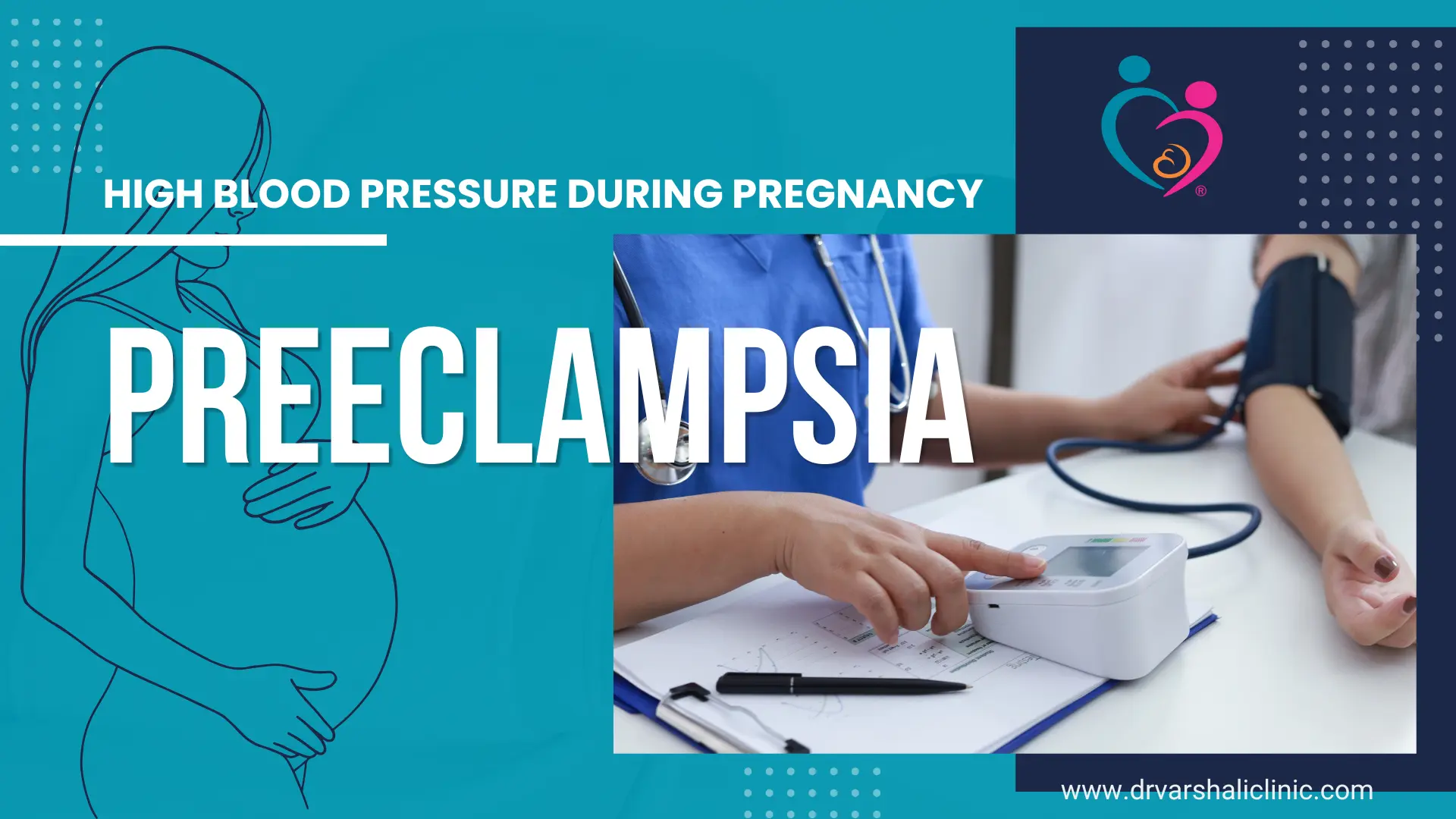
High Blood Pressure During Pregnancy — A Complete Guide to Preeclampsia, Symptoms, Causes & Management
By
Gynecologist & pregnancy doctor
Pregnancy is one of the most significant experiences of a woman's life — and it deserves care that is calm, informed, and genuinely supportive. If your doctor has recently mentioned blood pressure, gestational hypertension, or preeclampsia during a visit, it is entirely natural to feel a little uncertain about what it all means.
You are not alone. According to the World Health Organization (WHO), hypertensive disorders of pregnancy — including preeclampsia — affect approximately 10% of pregnancies globally, making it one of the leading causes of maternal and perinatal morbidity worldwide. In India, studies published with support from FOGSI (Federation of Obstetric and Gynaecological Societies of India) estimate that preeclampsia complicates 8–10% of all pregnancies.
This article is written to give you clear, accurate, and honest information — so you can understand what is happening in your body, ask the right questions at your next visit, and feel confident moving forward. Let us take it one step at a time.
ARTICLE OUTLINE
What You Will Learn in this article
Reading time: Approx. 8–10 minutes
What is Blood Pressure — and what do the numbers mean?
Normal Blood Pressure Range During Pregnancy (Reference Chart)
Low Blood Pressure (Hypotension) During Pregnancy
High Blood Pressure (Hypertension) and Gestational Hypertension
What is Preeclampsia? — Definition, Types, and How it Differs from Eclampsia
Causes and Risk Factors of Preeclampsia
Symptoms of Preeclampsia — Warning Signs to Know
Risks and Complications if Left Unmanaged
How High BP and Preeclampsia are Managed During Pregnancy
Frequently Asked Questions (FAQs)
What is Blood Pressure — and what do the numbers mean?
Blood pressure is the force that your blood exerts on the walls of your arteries as your heart pumps it through the body. It is measured in millimetres of mercury (mmHg) and expressed as two numbers:
Systolic pressure (top number): The pressure in your arteries when your heart beats and pushes blood out.
Diastolic pressure (bottom number): The pressure in your arteries when your heart rests between beats.
A reading of 120/80 mmHg is generally considered healthy. During pregnancy, these numbers are monitored at every antenatal visit — because blood pressure is one of the earliest indicators of how well your body is coping with the demands of carrying a baby.
Blood Pressure Reference Chart — Pregnancy Context
| Category | Systolic (mmHg) | Diastolic (mmHg) | Relevance in Pregnancy |
|---|---|---|---|
| Normal | Below 120 | Below 80 | Ideal target throughout |
| Elevated | 120 – 129 | Below 80 | Monitor closely |
| High BP – Stage 1 | 130 – 139 | 80 – 89 | Requires medical attention |
| High BP – Stage 2 (PIH) | 140 or above | 90 or above | Threshold for diagnosis in pregnancy |
| Hypertensive Crisis | 180 or above | 120 or above | Seek emergency care immediately |
| Low BP (Hypotension) | Below 90 | Below 60 | Common in early pregnancy |
Source: Based on classification guidelines from the American College of Obstetricians and Gynecologists (ACOG) and WHO. In pregnancy, a reading of 140/90 mmHg or above on two occasions, four hours apart, is the diagnostic threshold for hypertension.
WHO Research Reference:
"Hypertensive disorders of pregnancy — including gestational hypertension and preeclampsia — are among the leading causes of maternal and perinatal mortality and morbidity globally".
World Health Organization (WHO), Recommendations for Prevention and Treatment of Pre-eclampsia and Eclampsia, 2011 (reaffirmed 2023)
Low Blood Pressure (Hypotension) During Pregnancy
Low blood pressure — a reading below 90/60 mmHg — is actually quite common in early pregnancy. As your body works to build and support a new circulatory system for the baby, blood vessels relax and dilate, which can cause a temporary drop in pressure. For most women, this is a normal part of early pregnancy and resolves as it progresses.
Common symptoms of low BP in pregnancy:
Dizziness or lightheadedness, particularly when standing up quickly
Mild, frequent headaches
Nausea or a general sense of weakness
Cold, clammy skin
Occasional fainting or near-fainting episodes
In most cases, low BP during pregnancy does not require medication. Care during pregnancy like staying well-hydrated, avoiding prolonged standing, eating smaller and more frequent meals, and rising slowly from a lying or seated position can help manage symptoms. If episodes are frequent, or if you feel faint regularly, do mention it to your doctor at the next visit.
Blood pressure typically returns to pre-pregnancy levels after delivery.
High Blood Pressure (Hypertension) During Pregnancy
High blood pressure during pregnancy is defined as a reading of 140/90 mmHg or above, recorded on two separate occasions at least four hours apart. It is important to understand that this is a distinct threshold from what is used in non-pregnant adults — and it is taken seriously because of the additional demands pregnancy places on the cardiovascular system.
Gestational Hypertension (also referred to as PIH — Pregnancy-Induced Hypertension)
This is the term used when high blood pressure develops after 20 weeks of pregnancy in a woman who previously had normal BP, without other signs of organ involvement. It is relatively common and, when managed well, often resolves after delivery.
However, when gestational hypertension is accompanied by signs that other organs are being affected — particularly the kidneys, liver, or brain — it may progress into preeclampsia. This is why regular monitoring matters so much.
FOGSI Reference:
"Hypertensive disorders remain one of the most frequent and serious complications of pregnancy in India, contributing significantly to maternal mortality and morbidity. Early detection through regular antenatal monitoring is key to improved outcomes."
Federation of Obstetric and Gynaecological Societies of India (FOGSI), Good Clinical Practice Recommendations on Hypertension in Pregnancy
What is Preeclampsia?
Preeclampsia is a pregnancy complication characterised by high blood pressure (140/90 mmHg or above) that develops after 20 weeks of pregnancy, along with signs that one or more other organ systems — most commonly the kidneys, liver, or brain — are also being affected.
It was historically identified primarily by the presence of protein in the urine (proteinuria). Current clinical understanding, however, recognises that preeclampsia can develop and be diagnosed even without proteinuria, when other indicators — such as reduced kidney function, elevated liver enzymes, hemolysis,low platelet counts, or neurological symptoms — are present.
Understanding the Spectrum: Preeclampsia, Eclampsia, Postpartum Preeclampsia & PIH
Preeclampsia: High BP (140/90+) with organ involvement, occurring after 20 weeks of pregnancy.
Eclampsia: A serious progression of preeclampsia in which seizures occur. This is an obstetric emergency requiring immediate hospital care.
Postpartum Preeclampsia: High BP and associated symptoms that develop in the days or weeks after delivery. If you experience severe headaches, sudden swelling, or vision changes after birth — seek medical attention promptly, even if your pregnancy was uncomplicated.
PIH (Pregnancy-Induced Hypertension): A broader term used in Indian clinical practice to describe hypertension arising during pregnancy. This can include both gestational hypertension and preeclampsia.
HELLP Syndrome: A severe variant associated with preeclampsia — Haemolysis, Elevated Liver enzymes, and Low Platelet count. Requires urgent medical management.
ACOG Reference:
"Preeclampsia can occur without proteinuria; in these cases, the diagnosis is made when hypertension is accompanied by thrombocytopenia, impaired liver function, renal insufficiency, pulmonary edema, or new-onset headache."
American College of Obstetricians and Gynecologists (ACOG), Gestational Hypertension and Preeclampsia — Practice Bulletin No. 222, 2020
Causes, Risk Factors, Symptoms and Complications of Preeclampsia
What Causes Preeclampsia? — Risk Factors to Know
The precise underlying cause of preeclampsia is not yet fully understood by medical science. But accepted Hypotheses aetiopathogenesis for preeclampsia is a complex interaction between the placenta, the immune system, and the maternal cardiovascular system, like abnormal trophoblast invasion of uterine blood vessels, vasospasm and increased vasopressor response, immunological intolerance to the fetus and genetic abnormality. What is well-established, however, are the risk factors that increase the likelihood of developing it.
Understanding your risk factors does not mean you will develop preeclampsia — many women with multiple risk factors have entirely uncomplicated pregnancies. It simply means your doctor will monitor you more closely, which is always a good thing.
Known risk factors include:
Multiple pregnancies (twins or more): Carrying more than one baby places significantly greater physiological demand on the body and placenta.
Personal or family history: A previous pregnancy complicated by preeclampsia, or a close female relative (mother, sister) who had it, raises the risk.
Pre-existing medical conditions: Chronic hypertension, gestational diabetes in pregnancy (Article 4 Link — Gestational Diabetes) , kidney disease, autoimmune conditions such as lupus or antiphospholipid syndrome significantly increase the likelihood.
First pregnancy: Women who are pregnant for the first time face a higher risk, as the body's immune and vascular adaptation to pregnancy is occurring for the first time.
Obesity (BMI above 30): Excess weight places additional strain on the cardiovascular system during pregnancy.
Maternal age above 35:While preeclampsia can occur at any age, women above 35 have a somewhat higher risk.
Maternal smoking: Smoking may reduce the risk of mild preeclampsia. But smoking mothers who develop preeclampsia tend to develop more severe and fetal outcomes are worse than non-smokers.
ICMR Reference:
"Risk stratification in early pregnancy is important for identification of women at high risk for developing hypertensive disorders, enabling targeted monitoring and preventive care."
Indian Council of Medical Research (ICMR), Consensus Statement on Management of Hypertension in Pregnancy, 2021
Symptoms of Preeclampsia — Warning Signs to Know
One of the challenging aspects of preeclampsia is that it can begin without obvious symptoms — which is precisely why blood pressure is measured at every single antenatal visit. The numbers often tell the story before the body does.
That said, there are specific warning signs that should never be dismissed or waited out. If you experience any of the following — particularly a combination of them — contact your doctor or the clinic without delay:
Persistent or severe headache that does not improve with rest
Changes in vision — blurring, seeing flashing lights, spots, or temporary loss of vision
Sudden or rapid swelling of the hands, face, or feet (oedema)
Pain or discomfort in the upper abdomen, typically on the right side beneath the ribs
Nausea or vomiting in the second half of pregnancy, after the first trimester has settled
Breathlessness or feeling of chest tightness
Breathlessness or feeling of chest tightnessReduced urine output, or urine that appears unusually foamy
A general sense of being unwell that feels different from usual pregnancy fatigue
When to Seek Immediate Medical Attention
Do not wait to see if these symptoms improve on their own.
Severe headache + vision changes + sudden swelling is a combination that requires same-day medical evaluation.
If you are between clinic visits and experience any of these symptoms, call your doctor directly or visit your nearest maternity unit.
Early intervention is the single most important factor in preventing serious complications for both you and your baby.
What patients at Dr. Varshali's Clinic often share:
"I had no idea high BP could show up without any obvious symptoms. The regular monitoring at every visit made all the difference — it was caught early and managed well."
Reflections shared by patients based on their experiences. Individual experiences may vary.
Why Preeclampsia Needs to Be Taken Seriously — Potential Complications
When preeclampsia is detected early and managed with appropriate medical care, the large majority of women go on to deliver healthy babies. It is important to hold this perspective clearly.
At the same time, understanding the potential complications of unmanaged preeclampsia helps explain why your doctor monitors blood pressure with such consistency — and why follow-up appointments matter, even when you feel perfectly well.
Possible complications if preeclampsia progresses without management:
Intrauterine Growth Restriction (IUGR): Reduced blood flow to the placenta can restrict the baby's growth and development.
Placental abruption: The placenta can begin to separate from the uterine wall before delivery — a serious condition requiring urgent obstetric care.
Preterm birth: In moderate to severe cases, early delivery may become medically necessary to protect the health of both mother and baby.
Eclampsia: Onset of seizures in a woman with preeclampsia. This is an obstetric emergency.
HELLP syndrome: Haemolysis, elevated liver enzymes, and low platelet count — a severe variant requiring immediate specialist management.
Long-term cardiovascular risk: Women who have experienced preeclampsia have a higher long-term risk of heart disease and stroke. This is an important context for post-pregnancy health planning and worth discussing with your doctor.
WHO Reference:
"Globally, preeclampsia and eclampsia account for approximately 14% of maternal deaths each year. However, the majority of these deaths are preventable with timely, evidence-based antenatal care."
WHO, Global Causes of Maternal Death: A WHO Systematic Analysis, The Lancet Global Health, 2014
How is High Blood Pressure and Preeclampsia Managed During Pregnancy?
There is no single protocol for managing high blood pressure or preeclampsia — management is always individualised, based on your blood pressure readings, gestational age, test results, and overall health. What is right for one woman may not be the appropriate approach for another.
Here is a general overview of how it is approached clinically:
1. Regular Antenatal Monitoring
Frequent and consistent antenatal visits form the foundation of management. This includes blood pressure measurement at every visit, urine tests (for protein and kidney function), blood tests (kidney function, liver enzymes, platelet count), and ultrasound monitoring of the baby's growth and wellbeing. The frequency of visits will increase as needed.
2. Medications
Certain antihypertensive medications are considered safe during pregnancy and are used when blood pressure is consistently elevated or poses a clinical risk. These are prescribed based on individual circumstances. It is important to take medications exactly as directed, and never to stop, skip, or adjust the dose independently.
The drug recommended for prevention of preeclampsia is low dose aspirin in women at high risk of developing preeclampsia.
3. Lifestyle and Supportive Measures
Rest: Adequate rest matters — your sleeping position during pregnancy also plays a direct role in supporting circulation, particularly in the third trimester.
Nutrition: A balanced, nutritious diet with sensible salt intake. If needed, your doctor may refer you to a nutritionist.
Hydration: Staying well-hydrated through the day supports healthy kidney function and blood volume.
Avoid alcohol and smoking completely: Both elevate blood pressure and carry significant pregnancy risk.
Gentle approved activity: Gentle, approved exercise during pregnancy — such as short walks or light prenatal yoga — supports healthy blood pressure and circulation when cleared by your doctor.
Avoid excessive weight gain during pregnancy: Excessive weight gain is directly related to development of preeclampsia.
Stress management: A calm home environment, adequate sleep, and emotional support genuinely influence blood pressure. Involve your partner where possible — research shows that shared pregnancy involvement reduces maternal anxiety.
These Early care pregnancy tips for healthy baby & mother to be help you to deal with blood pressure during pregnancy.
4. Delivery Planning
In mild, well-controlled cases, pregnancy can often continue to near or at term with close monitoring. In moderate to severe cases, or when preeclampsia is worsening, your doctor may recommend planned early delivery — the timing and method of which will be discussed with you transparently, based on the clinical picture and your gestational age, baby's growth and baby's blood flow.
Delivery remains the definitive resolution of preeclampsia. Everything before that point is about monitoring, managing, and keeping both you and your baby safe until the right time.
ACOG Reference:
"For women with gestational hypertension or preeclampsia without severe features at 37 0/7 weeks of gestation or later, delivery is recommended."
ACOG Practice Bulletin No. 222: Gestational Hypertension and Preeclampsia, 2020
Frequently Asked Questions
Can preeclampsia be prevented?
There is no guaranteed way to prevent preeclampsia. However, for women identified as high risk, low-dose aspirin (prescribed by a doctor) started early in pregnancy has been shown in clinical studies to reduce the risk. Regular antenatal care, maintaining a healthy weight before pregnancy, and managing pre-existing conditions like diabetes or hypertension all contribute to reducing risk.
I had preeclampsia in my last pregnancy. Will it happen again?
A history of preeclampsia does increase the risk in subsequent pregnancies — this is why your doctor will monitor you more closely from the start. Many women who had preeclampsia in one pregnancy go on to have uncomplicated subsequent pregnancies, particularly with early risk identification and appropriate monitoring.
Can preeclampsia develop after delivery?
Yes. Postpartum preeclampsia — high blood pressure and associated symptoms developing in the days or weeks after delivery — is a real and important condition. It can occur even in women who had no BP problems during pregnancy. If you experience severe headaches, sudden swelling, vision changes, or upper abdominal pain in the weeks after delivery, seek medical attention promptly rather than assuming it will pass.
Is low blood pressure during pregnancy dangerous?
Mild low blood pressure in early pregnancy is generally considered normal and not dangerous for the baby. However, if symptoms like frequent fainting, severe dizziness, or weakness are affecting your daily life, consult your doctor. Severe or sudden hypotension warrants medical evaluation.
What does 'monitoring the baby's growth' during preeclampsia actually mean?
When preeclampsia is a concern, ultrasound scans are used to assess the baby's growth (to check for IUGR), the blood flow through the umbilical cord (Doppler studies), and the level of amniotic fluid. These scans help your doctor understand how the baby is coping up and inform decisions about the timing of delivery.
Dr. Varshali Mali is an Obstetrician and Gynecologist practicing in Pune. She completed her MBBS from Dr. D. Y. Patil Medical College, Pune, and her DNB in Obstetrics & Gynecology from Jehangir Hospital, Pune. She also holds a Diploma in Gynecological Endoscopy from the University of Schleswig - Holstein, Germany.
She currently practices at her clinic located in Life Republic Township, near Marunji, serving women and families from Hinjewadi, Wakad, Punawale, and surrounding areas. Her approach is rooted in listening carefully, explaining gently, and guiding patients with sincerity and care.
Registered Medical Practitioner, Maharashtra Medical Council
Reg. No. 2006113374
Reg. No. 2006113374
Disclaimer
This article is for general awareness only. It should not be considered as a medical advice and should not replace a consultation with a doctor. Every case is unique; please seek professional medical guidance for your personal condition.
Other articles
Getting pregnant and having a baby is a big decision in everyone's life. Pregnancy is a journey, and it starts with the thought of "I want to get pregnant." You need to be informed about what to do and what is happening to you. Below are a few articles written by gynecologist Dr. Varshali Mali. These articles will help you make this journey safe, healthy, and more enjoyable.


Get latest health tips
Follow on social media
Dr. Varshali Mali writes on various topics related to gynecology, pregnancy, adulthood for girls, and women's wellness. We use various social media platforms to spread health awareness to our patients and community.
Follow us on the social media platforms below to remain updated and get knowledge, health tips, and more from Dr. Varshali Mali.


Subscribe
and be the first one to get the health tip from Dr. Varshali Mali.
Women body goes through many transitions. From a childhood, to teenage, to adult, to grownup woman, she experiences many health challenges. Dr. Varshali attempts to address many concerns and provide health guidance. Subscribe to our health updates and be the first one to receive the information.

GOT A QUESTION?
Ask away doctor
Curious about pregnancy, periods or your health? Send us your question. We'll share general information to help you understand. For advice on your own case, a visit is the way to go.

LET'S TALK
Book a visit to gynecologist
Whether you're planning, expecting or simply have a concern, Dr. Varshali Mali, Obstetrician & Gynecologist, sees you at her Life Republic clinic in Hinjewadi. Monday to Saturday.
