




Exercise During Pregnancy — Safe Antenatal Exercises, Yoga, Kegel & Preparing for Normal Delivery
By
Gynecologist & pregnancy doctor
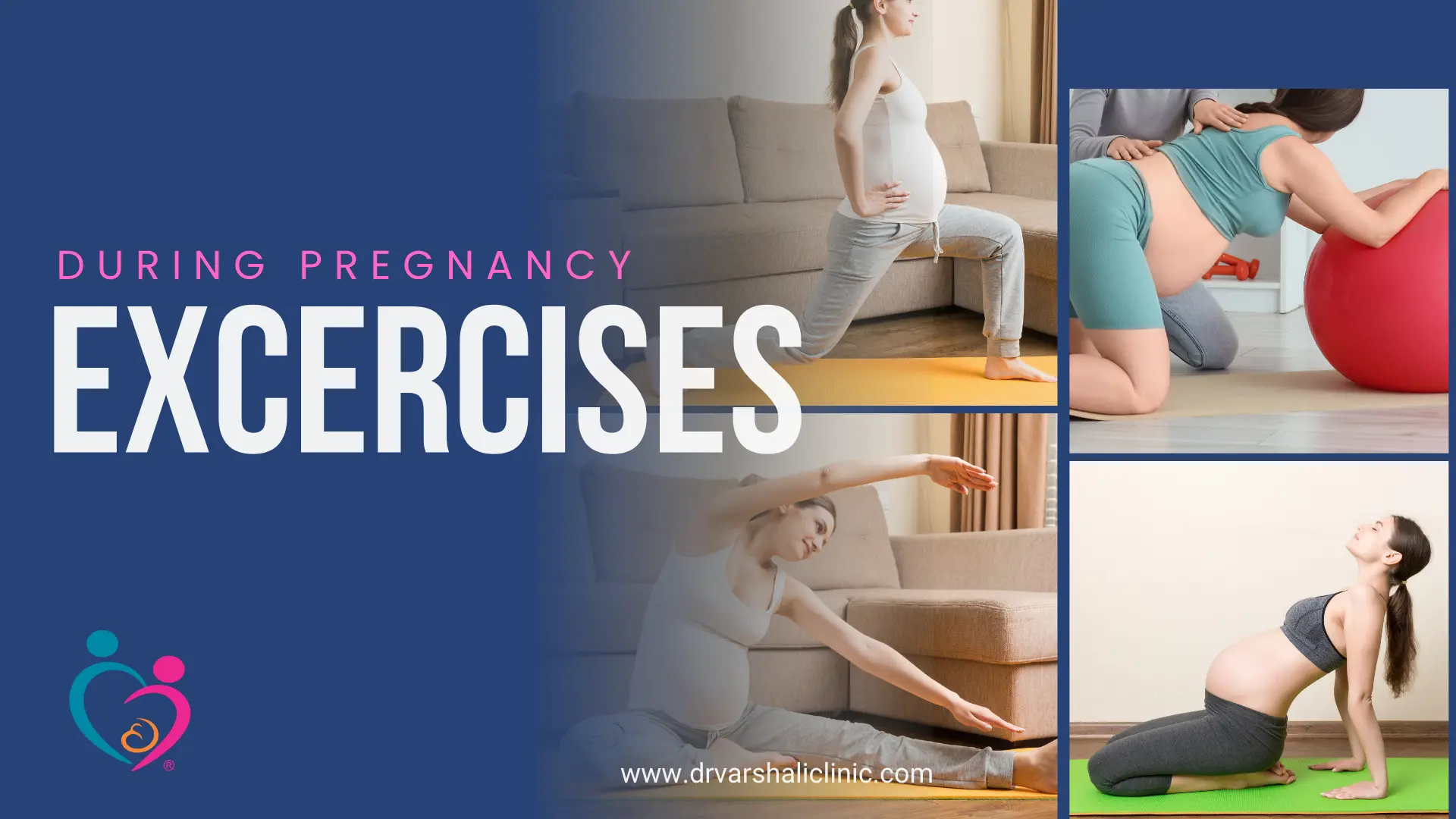
One of the most common questions in any antenatal consultation is some version of: "Is it okay to exercise?" And the short answer, for most healthy pregnancies, is: not only is it okay — it is genuinely recommended.
The idea that pregnancy means rest and stillness is an old one, and largely outdated. Current medical consensus from the WHO, ACOG, and FOGSI is clear: regular, moderate physical activity during pregnancy is safe, beneficial, and an important part of a healthy pregnancy for most women.
This article covers why exercise matters in pregnancy, which exercises are safe and how to approach them trimester by trimester, how antenatal exercise supports labour and the possibility of a normal delivery, and what to avoid. It also covers two of the most searched-for practices in detail: pregnancy yoga and Kegel exercises.
ARTICLE OUTLINE
What You Will Learn in This Article
Reading time: approx. 9–11 minutes
Why Exercise During Pregnancy Matters — Benefits for Body and Mind
Who Should Check With Their Doctor First
Safe Exercises During Pregnancy — Walking, Yoga, Kegel, Swimming, Birthing Ball
Antenatal Exercise by Trimester — Quick Reference Table
Exercise for Normal Delivery — How Staying Active Helps Labour Readiness
Specific Exercises That Support Labour Preparation
What to Avoid — Exercises Not Safe in Pregnancy
Warning Signs to Stop and Seek Medical Attention
Frequently Asked Questions (FAQs)
Why Exercise During Pregnancy Matters — Benefits and the Evidence
The human body is designed to move — and pregnancy, while transformative, does not change this fundamental fact. What changes is how you move, how intensely, and what you need to be mindful of.
WHO & ACOG Recommendation:
"Pregnant and postpartum women should do at least 150 minutes of moderate-intensity aerobic physical activity throughout the week. All pregnant and postpartum women without contraindications should be encouraged to engage in aerobic and strength-conditioning exercises."
WHO Guidelines on Physical Activity and Sedentary Behaviour (2020) | ACOG Committee Opinion No. 804 (2020)
Physical Benefits of Antenatal Exercise
Regular moderate exercise during pregnancy has well-documented physical benefits for both mother and baby:
Manages healthy weight gain: Exercise helps the body to manage the rate and distribution of weight gain during pregnancy, reducing the risk of excessive gestational weight gain.
Reduces risk of gestational diabetes: Physical activity improves insulin sensitivity and glucose metabolism —which is especially important given the high rates of GDM in India. Women who exercise regularly have a measurably lower risk of developing gestational diabetes.
Lowers risk of pregnancy-related hypertension: Regular exercise is associated with reduced blood pressure and a lower risk of pre-eclampsia.
Reduces back pain and pelvic discomfort: Strengthening the core, back, and pelvic floor muscles eases the physical strain that a growing uterus places on the lower back and pelvis.
Improves circulation and reduces swelling: Movement promotes blood flow and lymphatic drainage, helps to reduce the fluid retention and leg swelling common in mid-to-late pregnancy.
Supports bowel regularity: Physical activity helps manage constipation, a common and uncomfortable complaint in pregnancy.
May shorten active labour and reduce delivery complications: Evidence suggests that women who exercise regularly during pregnancy tend to have shorter active labour phases and lower rates of caesarean section — though this is influenced by many factors.
Mental and Emotional Benefits — More Than Just the Body
The mental health benefits of exercise in pregnancy are just as real as the physical ones — and for many women, even more personally significant.
Reduces anxiety and pregnancy-related worry: Physical activity triggers the release of endorphins and reduces cortisol (the stress hormone). For many women, a 30-minute walk genuinely changes the texture of the day.
Improves sleep quality: Regular movement — particularly earlier in the day — is associated with better sleep onset and quality in pregnancy, when insomnia is extremely common.
Builds confidence for labour: Women who have been physically active throughout pregnancy often report feeling more prepared for the physical demands of labour and delivery.
Reduces risk of antenatal and postnatal depression: Exercise has a well-established evidence base as a mood regulator and a protective factor against depression, including during the perinatal period.
A sense of continuity and agency: Pregnancy can feel like the body is doing things to you. Exercise is something you do — it restores a sense of ownership and capability.
Who Should Check With Their Doctor Before Exercising?
While exercise is beneficial and safe for the majority of pregnant women, certain conditions require medical guidance before starting or continuing an exercise routine. Always speak to your doctor if you have:
Placenta praevia (low-lying placenta)
Preterm labour risk or a history of preterm birth
Cervical incompetence or cerclage
Unexplained vaginal bleeding in this pregnancy
Pre-eclampsia or pregnancy-induced hypertension
Significant heart or lung disease
Gestational diabetes requiring insulin — exercise is often encouraged, but must be supervised
Multiple pregnancy (twins or more) — individual guidance needed
If none of these apply and your pregnancy is progressing normally, regular moderate exercise is appropriate. When in doubt, ask at your next antenatal visit.
Safe Exercises During Pregnancy — What to Do and When
The following exercises are well-supported by evidence as safe and beneficial for most pregnant women. They address different aspects of fitness, comfort, and delivery preparation — and can be adapted across all three trimesters.
Walking — The Most Accessible Antenatal Exercise
Walking is the single most recommended form of exercise in pregnancy — and for good reason. It is low-impact, requires no equipment, can be done anywhere, and is appropriate across all three trimesters.
What to aim for: 30 minutes of brisk walking on most days, building toward the WHO-recommended 150 minutes per week of moderate-intensity activity. If you are new to exercise, start with 10–15 minutes and gradually increase.
Intensity guide: You should be able to hold a conversation while walking. If you are too breathless to speak, slow down.
As pregnancy progresses: Your pace will naturally slow in the third trimester — this is normal and fine. Shorter, more frequent walks are equally valuable.
Indian context: Morning walks in parks or residential areas are well-suited to Indian conditions. Avoid walking in peak heat (11am–4pm in summer), on uneven terrain, or in areas with heavy traffic and air pollution.
Pregnancy Yoga — Flexibility, Breathing and Calm
Pregnancy yoga — also called prenatal yoga — is one of the most beneficial and widely practised forms of antenatal exercise. Unlike general yoga, prenatal yoga is specifically adapted for the changing body in pregnancy, with modifications that protect the growing uterus and avoid positions that put pressure on the abdomen.
What pregnancy yoga provides:
Improved flexibility and joint mobility: Gentle stretching keeps the hips, pelvis, and back supple — important both for comfort during pregnancy and for the physical demands of labour.
Breathing techniques (pranayama): Conscious, controlled breathing is one of the most powerful tools for managing pain and anxiety during labour. Pregnancy yoga introduces and practises these techniques throughout pregnancy so they are second nature when needed.
Pelvic floor awareness: Many prenatal yoga sequences include awareness and gentle activation of the pelvic floor — complementary to dedicated Kegel exercises.
Mental stillness: The meditative aspect of yoga is particularly valuable in pregnancy, helping to manage anxiety, improve sleep, and build a mindful connection to the baby.
Community: Group prenatal yoga classes provide a valuable social connection with other pregnant women — reducing isolation, which is a real risk factor for antenatal mental health.
⚠ Important — Yoga Poses to Avoid in Pregnancy
Deep twists involving the abdomen.
Strong backbends (e.g. full wheel / chakrasana) after the first trimester.
Inversions (headstand, shoulder stand) unless you have an advanced, long-established practice — and only with a qualified instructor's guidance.
Hot yoga (Bikram yoga) — elevated core temperature is not safe during pregnancy.
Any pose that requires lying flat on the back for extended periods after 20 weeks.
Any pose that feels uncomfortable, causes dizziness, or puts pressure on the abdomen.
Always tell your yoga instructor you are pregnant — a qualified prenatal yoga teacher will modify all poses accordingly.
Kegel Exercises — Why Every Pregnant Woman Should Know These
Kegel exercises are gentle contractions and releases of the pelvic floor muscles — the group of muscles that support the uterus, bladder, and bowel from below. They are one of the most clinically important exercises in pregnancy, and one of the most underused.
Why the pelvic floor matters in pregnancy:
The pelvic floor carries increasing weight as the uterus grows, often for nine months, and then bears the stress of vaginal delivery. Weakened pelvic floor muscles contribute to urinary incontinence (leaking urine when coughing, sneezing, or laughing) — a common but widely under-reported complaint in and after pregnancy. Kegel exercises both strengthen the pelvic floor to prevent this, and improve the muscle's ability to relax and work with the body during delivery.
How to Do Kegel Exercises — Step by Step
Identify the muscles: The easiest way is to imagine you are trying to stop the flow of urine mid-stream. The muscles you tighten are your pelvic floor muscles. (Do not actually do this on the toilet regularly — it is just a useful first identification.)
Get comfortable: Kegels can be done in any position — lying down, sitting, or standing. Many women find it easiest to start lying down.
Contract: Gently squeeze and lift the pelvic floor muscles — as if pulling them upward and inward. Hold for 3–5 seconds. Keep breathing normally. Do not hold your breath or tighten your stomach, buttocks, or thighs.
Release: Slowly and fully release the muscles. The release is as important as the contraction.
Repeat: Aim for 10–15 repetitions per set. Work toward 3 sets per day.
Progress: As the muscles strengthen, hold contractions for up to 8–10 seconds. Also practise quick flick contractions — squeeze and release rapidly — which train the fast-twitch fibres important during delivery.
✔ Benefits of Kegel Exercises in Pregnancy
Reduces risk of urinary incontinence during and after pregnancy.
Supports the bladder, bowel, and uterus as the baby grows.
Improves circulation to the perineal area.
Speeds recovery of pelvic floor tone after delivery.
Trains the pelvic floor to relax efficiently during pushing in labour — which is equally as important as strength.
Can be done anywhere, anytime — no equipment, no gym, no time block needed.
Swimming and Water-Based Exercise
Swimming is one of the most highly recommended forms of exercise in pregnancy — it provides a full-body, cardiovascular workout while the water supports the weight of the bump, significantly reducing joint stress and discomfort.
Why it works particularly well: Buoyancy reduces the effective weight on joints and the pelvis. Women who find walking uncomfortable in the third trimester often report that swimming feels effortless.
What is appropriate: Gentle to moderate laps, water walking, or structured aquanatal classes where available.
What to avoid: Diving, high-impact water aerobics, and swimming in very cold water. Avoid swimming if you have ruptured membranes.
Indian context: Clean, temperature-controlled pools (rather than open water) are recommended. Confirm hygiene standards of any pool facility.
The Birthing Ball — Support, Posture and Labour Preparation
A birthing ball (also called a pregnancy ball or exercise ball) is an inflatable exercise ball — typically 55–75 cm in diameter depending on your height — that serves multiple purposes in pregnancy and labour.
How it helps in pregnancy:
Posture support: Sitting on a birthing ball encourages the pelvis to tip forward into a natural, upright position, reducing lower back strain.
Hip and pelvis mobility: Gentle rolling, figure-of-eight movements, and rocking on the ball mobilise the sacroiliac joints and hip joints, reducing pelvic pain.
Encourages optimal foetal position: Spending time on a birthing ball in the third trimester (leaning forward, hips higher than knees) encourages the baby to move into an anterior, head-down position — favourable for labour.
How it helps during labour:
Active labour support: Women can sit, rock, or lean over the birthing ball during contractions — many find this significantly eases the intensity of contractions compared to lying in bed.
Partner involvement: The birthing ball is a practical tool that partners can use to support and massage the woman's back during labour.
Choosing the Right Birthing Ball Size
Height under 160 cm — 55 cm ball.
Height 160–170 cm — 65 cm ball.
Height over 170 cm — 75 cm ball.
When sitting on the ball, your hips should be level with or slightly higher than your knees, with feet flat on the floor.
Use on a non-slip surface. Do not sit on a birthing ball unsupported near the end of pregnancy without something to hold onto if needed.
Antenatal Exercise by Trimester — Quick Reference
The following table provides a structured reference for what types of exercise are appropriate at each stage of pregnancy. This directly addresses the 'antenatal exercise' search intent:
| Trimester | Generally Safe | Modifications to Note | Avoid |
|---|---|---|---|
| First Trimester (Weeks 1–12) | Walking, swimming, yoga (prenatal), low-impact aerobics, Kegel exercises, light strength training | Reduce intensity if experiencing severe nausea or fatigue. Listen to your body. Stay hydrated. | Contact sports, high-impact activities, exercising in intense heat |
| Second Trimester (Weeks 13–26) | Walking, prenatal yoga, swimming, birthing ball, Kegel exercises, low-impact aerobics | Begin modifying floor work — avoid lying flat on back for extended periods from ~20 weeks. Reduce intensity as the bump grows. | Contact sports, high-impact jumping, activities with fall risk, hot yoga, heavy abdominal exercises |
| Third Trimester (Weeks 27–40+) | Walking (shorter, more frequent), prenatal yoga, swimming, birthing ball, Kegel exercises, gentle pelvic mobility | Shorter sessions; rest between activities. Prioritise comfort. Birthing ball increasingly useful. All floor work should avoid flat-back positions. | Any activity with significant fall risk, heavy lifting, supine (lying on back) exercises, high-impact activities |
This table is for general guidance. Individual circumstances vary significantly. Always confirm your exercise plan with your doctor based on your specific pregnancy.
Exercise for Normal Delivery — How Staying Active Through Pregnancy Helps
'Exercise for normal delivery' is one of the most searched phrases in this topic cluster — and it reflects something very real: the deep desire most women have to deliver naturally, and the question of how they prepare during pregnancy makes a difference.
The honest answer is: yes, exercise plays a meaningful supporting role. But it is one part of a picture that includes many factors beyond anyone's control.
How Exercise Prepares the Body for Labour
Labour is a significant physical event — arguably the most physically demanding thing the human body does. Preparing for it through regular exercise has real, documented effects:
Cardiovascular fitness: Women who are aerobically fitter tend to have better endurance during active labour, which can be long and physically demanding.
Pelvic floor function: A well-trained pelvic floor — through Kegel exercises — is both stronger and more flexible. During pushing in the second stage of labour, the ability to consciously relax the pelvic floor is as important as its strength.
Pain perception and coping capacity: Exercise builds physical confidence and teaches the body to manage discomfort — skills that transfer directly to labour. Breathing techniques practised in prenatal yoga are particularly valuable here.
Foetal positioning: Activities like using birthing ball, pelvic rocking, and forward-leaning postures encourage the baby to move into an anterior position, generally associated with easier, smoother labours.
Reduced complication risk: Regular exercise is associated with reduced rates of gestational diabetes, pre-eclampsia, and excessive weight gain — all of which increase the likelihood of obstetric interventions.
Specific Exercises That Support Labour Readiness
While all antenatal exercise contributes to labour readiness, the following are particularly relevant:
Kegel exercises: Non-negotiable. A well-trained pelvic floor supports a more controlled second stage of labour and faster postpartum recovery.
Pelvic tilts: On all fours, gently arch and flatten the lower back in rhythm. Mobilises the sacroiliac joint, relieves back pain, and encourages foetal movement into a good position.
Birthing ball rocking: Sit on the birthing ball and rock the pelvis gently forward and back, or in figure-of-eight movements. Helps with foetal positioning and keeps the pelvis mobile.
Squats: Supported or wall squats (with care) open the pelvis, strengthen the legs and glutes, and practise a position commonly used during active labour. Avoid deep unsupported squats in late pregnancy without medical clearance.
Cat-cow stretches (on all fours): Gentle spinal flexion and extension — relieves back pain, mobilises the spine, and keeps the abdominal muscles engaged.
Prenatal yoga breathing: Practising deep abdominal breathing, long exhalations, and breath-focused relaxation techniques prepares you for the coping strategies used in active labour.
Walking: Right up to the final weeks, walking — even at a slow pace — encourages the baby to engage in the pelvis and keeps the body active and ready.
What 'Normal Delivery' Actually Depends On — A Realistic View
This section matters because the search intent behind 'exercise for normal delivery' carries hope — and that hope deserves an honest, compassionate response.
Exercise genuinely supports the conditions for a normal, vaginal delivery. It is worth doing, and it makes a real difference. But it is one factor among many — and some of those factors are beyond any woman's control.
The mode of delivery is ultimately determined by a combination of:
The baby's position, size, and wellbeing during labour
The mother's pelvic dimensions and anatomy
How labour progresses — and how the baby responds to contractions
The mother's overall health and any pregnancy complications
The clinical judgment of the doctor and obstetric team at the time of delivery
A word on this — directly
A woman who has exercised faithfully throughout pregnancy may still need a caesarean section for entirely valid medical reasons. That is not a failure of preparation.
A caesarean section, when indicated, is the safest outcome for both mother and baby — not a lesser outcome.
Exercise during pregnancy is about preparing your body as well as possible, reducing risks where you can, and going into labour in the best physical condition you can achieve. What happens in the room on the day is guided by many things — and the most important thing is that both you and your baby are safe.
Your obstetric team will always make decisions based on what is safest for you, at that moment.
What to Avoid — Exercises and Activities Not Safe During Pregnancy
Exercises and Activities to Avoid
The following activities carry sufficient risk in pregnancy that they are generally advised against, regardless of prior fitness level:
Contact sports: Football, basketball, martial arts, boxing — any activity with risk of abdominal impact.
High fall-risk activities: Skiing, horse riding, cycling on roads, gymnastics, rock climbing — balance shifts significantly as pregnancy progresses, increasing fall risk.
Scuba diving: The foetus has no protection against decompression sickness.
Hot yoga or exercising in significant heat: Elevated core body temperature (hyperthermia) in the first trimester is associated with neural tube defects. Avoid exercise in hot, humid conditions; always stay hydrated; avoid saunas and steam rooms.
Heavy weightlifting: Straining with very heavy weights increases intra-abdominal pressure and is not recommended. Light to moderate resistance training with controlled breathing is generally fine.
High-intensity interval training (HIIT) at high intensity: Moderate-intensity exercise is the recommended standard. Very high-intensity work, particularly in the second and third trimesters, is not recommended unless you are an experienced athlete under specific medical guidance.
Supine (lying on back) exercises after 20 weeks: As discussed in the sleep article — prolonged back-lying reduces circulation by compressing the inferior vena cava. Avoid floor exercises that require lying flat on your back for extended periods.
Exercises with significant breath-holding (Valsalva manoeuvre): Holding your breath under exertion increases intra-abdominal pressure and reduces blood flow to the baby. Always breathe continuously during exercise.
Warning Signs to Stop Exercising and Seek Medical Attention
Stop any exercise immediately and contact your doctor or maternity unit if you experience:
Vaginal bleeding or leaking fluid
Chest pain or shortness of breath beyond expected exertion
Severe headache, dizziness, or feeling faint
Calf pain or swelling (which may indicate a deep vein thrombosis)
Regular uterine contractions or pelvic pressure during exercise
Muscle weakness affecting balance
These are not common — but they are important to know and act on promptly if they occur.
A Word Before You Move
Exercise during pregnancy is not about performance, fitness goals, or pushing limits. It is about staying connected to your body, supporting your health and your baby's development, and preparing yourself — physically and mentally — for the remarkable experience ahead.
Start where you are. Walk if that is all you can manage. Do your Kegels sitting in a chair. Try a prenatal yoga class if one is accessible to you. Every movement counts.
And if you are unsure whether a specific activity is appropriate for your pregnancy — ask. That is exactly what your antenatal visits are for.
Dr. Varshali Mali is an Obstetrician and Gynecologist practicing in Pune. She completed her MBBS from Dr. D. Y. Patil Medical College, Pune, and her DNB in Obstetrics & Gynecology from Jehangir Hospital, Pune. She also holds a Diploma in Gynecological Endoscopy from the University of Schleswig - Holstein, Germany.
She currently practices at her clinic located in Life Republic Township, near Marunji, serving women and families from Hinjewadi, Wakad, Punawale, and surrounding areas. Her approach is rooted in listening carefully, explaining gently, and guiding patients with sincerity and care.
Registered Medical Practitioner, Maharashtra Medical Council
Reg. No. 2006113374
Reg. No. 2006113374
Disclaimer
This article is for general awareness only. It should not be considered as a medical advice and should not replace a consultation with a doctor. Every case is unique; please seek professional medical guidance for your personal condition.
Other articles
Getting pregnant and having a baby is a big decision in everyone's life. Pregnancy is a journey, and it starts with the thought of "I want to get pregnant." You need to be informed about what to do and what is happening to you. Below are a few articles written by gynecologist Dr. Varshali Mali. These articles will help you make this journey safe, healthy, and more enjoyable.
Subscribe
and be the first one to get the health tip from Dr. Varshali Mali.
Pregnancy calculators
Estimate important pregnancy dates accurately

Pregnancy due date
Accurate estimation of your baby's arrival !!
Expecting a baby and want to know the arrival date? Use this pregnancy due date calculator to see the duedate by week, by month, and the pregnancy progress.

Ovulation period
Know the best ovulation days to get pregnant
Want to get pregnant? Want to know your best fertility days? Use this ovulation calculator to know your ovulation period, symptoms, and best ovulation days to get pregnant.

Get latest health tips
Follow on social media
Dr. Varshali Mali writes on various topics related to gynecology, pregnancy, adulthood for girls, and women's wellness. We use various social media platforms to spread health awareness to our patients and community.
Follow us on the social media platforms below to remain updated and get knowledge, health tips, and more from Dr. Varshali Mali.

GOT A QUESTION?
Ask away doctor
Curious about pregnancy, periods or your health? Send us your question. We'll share general information to help you understand. For advice on your own case, a visit is the way to go.

LET'S TALK
Book a visit to gynecologist
Whether you're planning, expecting or simply have a concern, Dr. Varshali Mali, Obstetrician & Gynecologist, sees you at her Life Republic clinic in Hinjewadi. Monday to Saturday.
