




Gestational Diabetes During Pregnancy — Causes, Symptoms, Tests & Normal Sugar Levels Explained
By
Gynecologist & pregnancy doctor
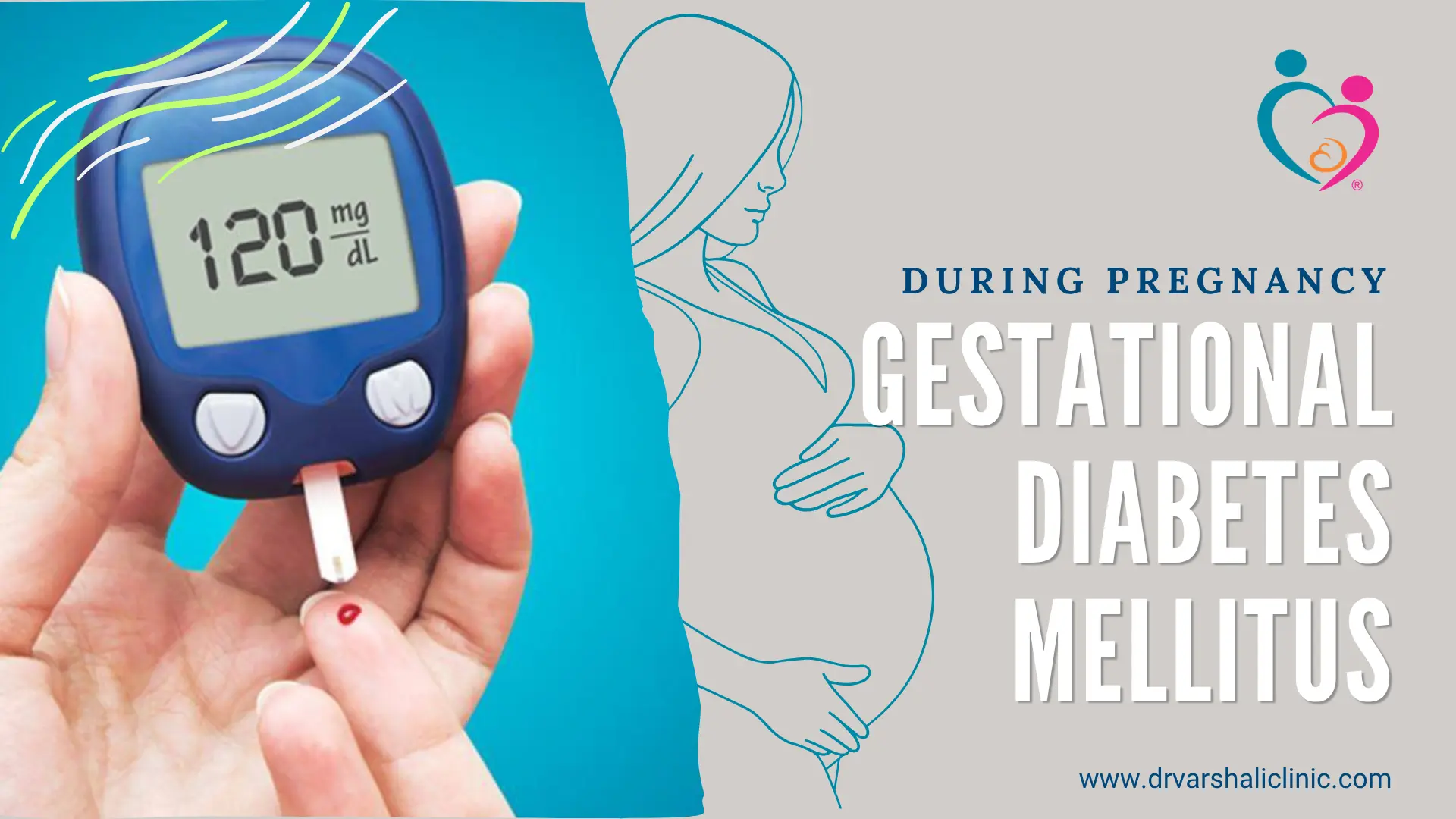
Diabetes during pregnancy is a topic that is coming up more and more — in clinics, in conversation, and in public health discussions across India. And for a good reason.
India carries one of the highest burdens of gestational diabetes in the world. Every year, millions of Indian women are diagnosed with high blood sugar levels during pregnancy — a condition called gestational diabetes mellitus, or GDM. Many of them had no idea it was coming. Many had no obvious symptoms. And many are left wondering: what does this actually mean for me and my baby?
This article is written to answer that question clearly, honestly, and without unnecessary alarm. We will cover what gestational diabetes is, why it develops, which risk factors matter in the Indian context, how it is detected through blood sugar tests, and what normal sugar levels during pregnancy actually look like.
ARTICLE OUTLINE
What You Will Learn in This Article
Reading time: approx. 9–11 minutes
What is Gestational Diabetes (GDM)? — Definition and Physiology
GDM in India — Why Indian Women Face Higher Risk
GDM vs. Pre-existing Diabetes — Understanding the Difference
Causes and Risk Factors of Gestational Diabetes
Symptoms of Gestational Diabetes — Why Screening Is Critical
Normal Blood Sugar Levels During Pregnancy — Reference Values
Gestational Diabetes Tests — OGTT, GTT, DIPSI Explained
75g Glucose Tolerance Test — Normal Values Table
What Happens After a Positive GDM Test?
Frequently Asked Questions (FAQs)
What is Gestational Diabetes? — Understanding GDM and Why India Needs to Pay Attention
Gestational diabetes mellitus (GDM) is a condition in which blood glucose levels rise higher than normal during pregnancy — in a woman who did not have diabetes before becoming pregnant.
It is not a form of Type 1 or Type 2 diabetes, though it shares some mechanisms with Type 2. GDM is specific to pregnancy, and in most cases it resolves after delivery. However, it requires careful monitoring and management during pregnancy because elevated blood sugar affects both the mother and the developing baby.
Government of India Reference:
"Worldwide, one in 10 pregnancies is associated with diabetes, 90% of which are GDM. In India, rates of GDM are estimated to be 10–14.3% — significantly higher than in western countries. The incidence is expected to rise to 20%."
Diagnosis & Management of Gestational Diabetes Mellitus, Ministry of Health & Family Welfare, Government of India (2018)
How Gestational Diabetes Develops — The Physiology in Simple Terms
During pregnancy, the placenta produces hormones which are essential for the baby's growth. Some of these hormones — including human placental lactogen, oestrogen, and cortisol — have the side effect of making the mother's cells less responsive to insulin. This is called insulin resistance.
In a healthy pregnancy, the pancreas compensates by producing more insulin to keep blood sugar within a normal range. In women who develop GDM, the pancreas cannot produce enough insulin to overcome this resistance — and blood glucose levels begin to rise.
This process typically begins in the second trimester, around weeks 24–28, when placental hormone levels are at their peak. However, in some women — particularly those with underlying risk factors — GDM can be identified earlier, even in the first trimester.
GDM in India — Why Indian Women Face Higher Risk
India has a unique and well-documented relationship with gestational diabetes. Indian women — and South Asian women more broadly — have a significantly higher genetic susceptibility to insulin resistance and glucose intolerance during pregnancy compared to Caucasian women.
Genetic predisposition: South Asian women are considered at the highest global risk for GDM, independent of weight or lifestyle factors.
Rising rates of obesity and sedentary lifestyle: Urbanisation, dietary changes, and reduced physical activity are contributing to increasing GDM rates across Indian cities.
Later maternal age at pregnancy: More women in urban India are conceiving in their 30s — an age group with higher GDM risk.
Underdiagnosis: GDM is frequently misdiagnosed or undetected in India, particularly in rural and semi-urban settings where consistent antenatal screening is inconsistent.
ICMR-INDIAB Reference:
"The ICMR-INDIAB study — the largest national cross-sectional survey on metabolic non-communicable diseases in India — provides the first national prevalence data on both early GDM (before 20 weeks) and late GDM (after 20 weeks), highlighting the scale of the challenge."
ICMR-INDIAB National Study (ICMR-INDIAB-24), Indian Journal of Medical Research, 2025
Gestational Diabetes vs. Pre-existing Diabetes — What Is the Difference?
| Feature | Gestational Diabetes (GDM) | Pre-existing Diabetes in Pregnancy |
|---|---|---|
| Onset | First recognised during pregnancy | Diagnosed before pregnancy (Type 1 or Type 2) |
| Cause | Pregnancy hormones causing insulin resistance | Pre-existing impairment of insulin production or function |
| Resolution | Usually resolves after delivery in most women | Continues after pregnancy; long-term management required |
| Future risk | Increased risk of developing Type 2 diabetes later in life; repeat GDM in future pregnancies | Ongoing diabetes management required lifelong |
| Screening | Detected through routine antenatal blood sugar testing | Known prior to pregnancy; managed from first antenatal visit |
Causes and Risk Factors of Gestational Diabetes
Primary Causes — Hormonal Insulin Resistance in Pregnancy
The root cause of gestational diabetes is the insulin resistance created by pregnancy hormones — specifically human placental lactogen (hPL), progesterone, cortisol, and oestrogen. As the placenta grows, these hormones increase, and so does their effect on the body's ability to use insulin efficiently.
This is a normal part of pregnancy. The problem arises when the pancreas cannot compensate sufficiently — either because of reduced beta-cell reserve, underlying susceptibility to insulin resistance, or both. The result is persistently elevated blood glucose levels that can affect the baby's growth and development.
It is important to understand that gestational diabetes is not caused by eating sugar or sweets. It is a metabolic condition rooted in pregnancy physiology. This distinction matters — because many women feel guilt or shame around a GDM diagnosis that is simply not warranted.
Who Is at Higher Risk? — Risk Factors to Know
While any pregnant woman can develop gestational diabetes, certain factors increase the likelihood. Knowing your risk profile helps ensure you are screened appropriately and promptly.
Family history of diabetes: A parent or sibling with Type 2 diabetes increases GDM risk significantly.
History of GDM in a prior pregnancy: Women who had GDM before have a substantially higher chance of it recurring.
Being overweight or obese: A BMI above 25 kg/m² (or above 23 kg/m² in Indian women, given different risk thresholds) is associated with increased insulin resistance.
Age above 25: GDM risk increases with maternal age. In Indian clinical practice, women over 25 are considered at higher risk.
Previous baby with high birth weight (macrosomia): A prior delivery of a baby weighing over 3.5–4 kg may indicate underlying glucose intolerance.
Polycystic Ovarian Syndrome (PCOS): PCOS is associated with insulin resistance and increases GDM risk.
Prior unexplained pregnancy loss, stillbirth, or birth defect: These can be associated with undetected glucose intolerance in previous pregnancies.
Sedentary lifestyle and poor dietary habits: Physical inactivity and high-carbohydrate, low-fibre diets contribute to insulin resistance.
Multiple pregnancy (twins or more): Greater placental mass means higher hormone levels and greater insulin resistance.
FOGSI-DIPSI Reference:
"A pan-India prospective study conducted by FOGSI and DIPSI found that about one-third of pregnant women are diagnosed with GDM during the first trimester, and over a quarter have a history of fetal loss in previous pregnancies."
FOGSI. Hyperglycaemia in Pregnancy — Good Clinical Practice Recommendations. 2024.
Can Gestational Diabetes Be Prevented?
This is one of the most common questions — and the honest answer is: in some women, the risk can be meaningfully reduced; in others, genetic predisposition makes it very difficult to prevent entirely. What matters most is early identification and management.
Lifestyle measures that may reduce GDM risk (and are beneficial regardless):
Maintaining a healthy weight before conception
A balanced diet rich in whole grains, legumes, vegetables, and protein — and lower in refined carbohydrates and processed foods
Regular moderate physical activity before and during pregnancy — with your doctor's guidance
Early and consistent antenatal care, including blood sugar testing at the first visit
Controlled and optimum weight gain during pregnancy. ( BMI <18.5 –12-16Kg, 18-25-11kg-14kg, 25-30-7-11kg, >30
Women with known risk factors should discuss pre-pregnancy screening and lifestyle optimisation with their doctor before conceiving.
Symptoms of Gestational Diabetes — What to Look Out For
Why GDM Often Has No Obvious Symptoms — and Why Screening Matters
Here is the difficult truth about gestational diabetes: most women who develop it have no noticeable symptoms.
This is precisely why universal blood sugar screening during pregnancy is so critical — and why the Government of India has mandated it for all pregnant women under the National Health Mission. Waiting for symptoms before testing would mean missing the majority of GDM cases entirely.
The absence of symptoms does not mean the condition is not affecting the pregnancy. Elevated blood glucose — even without noticeable signs — can affect the baby's growth, birth weight, and future metabolic health. It also places the mother at risk of complications including pre-eclampsia and a higher likelihood of caesarean delivery.
Signs and Symptoms That May Indicate High Blood Sugar in Pregnancy
While GDM is usually silent, some women do experience symptoms — particularly when blood sugar is significantly elevated. These are not diagnostic on their own, but they are worth reporting to your doctor at your next visit:
Increased thirst (polydipsia): Feeling unusually thirsty, more than expected for pregnancy.
Frequent urination (polyuria): While frequent urination is normal in pregnancy, a marked increase beyond the usual pattern can be a signal.
Unusual fatigue: Fatigue is common in pregnancy, but fatigue that feels disproportionate and persistent may be worth discussing.
Blurred vision: High blood sugar can temporarily affect the lens of the eye, causing vision changes.
Recurrent infections: Particularly urinary tract infections or fungal infections, which are more common with elevated blood glucose.
Nausea after eating: Blood sugar fluctuations can contribute to post-meal nausea, particularly after high-carbohydrate meals.
⚠ Important Clarification
None of these symptoms alone confirms gestational diabetes.
Pregnancy itself causes many overlapping symptoms — fatigue, thirst, frequent urination, and nausea are all common without GDM.
The only reliable way to diagnose or rule out GDM is through a blood sugar test.
If you experience a combination of the above symptoms, mention them to your doctor at your next visit — but do not attempt to self-diagnose.
Normal Sugar Level in Pregnancy — Reference Values to Know
Understanding what counts as 'normal' blood sugar during pregnancy is helpful — both for interpreting test results and for having an informed conversation with your doctor.
Blood sugar thresholds in pregnancy are set lower than outside pregnancy because the foetus is sensitive to glucose fluctuations.
| Measurement | Normal Range in Pregnancy | Notes |
|---|---|---|
| Fasting blood glucose | Below 92 mg/dL (5.1 mmol/L) | IADPSG/WHO 2013 standard used by many Indian centres |
| 1 hour after 75g glucose | Below 180 mg/dL (10.0 mmol/L) | Part of OGTT fasting protocol |
| 2 hours after 75g glucose | Below 153 mg/dL (8.5 mmol/L) | IADPSG standard | DIPSI threshold: below 140 mg/dL |
| 2 hours after 75g glucose (DIPSI/GoI) | Below 140 mg/dL | Non-fasting. GoI / FOGSI endorsed threshold for Indian settings |
| Random blood glucose | Below 140 mg/dL (casual / non-fasting) | Screening indicator only — not diagnostic alone |
These values are reference ranges. Your doctor will interpret your results in the context of your full clinical picture. Do not attempt to diagnose yourself based on a single reading.
A value of 160 mg/dL during pregnancy — a specific query that many women search — is above the diagnostic threshold and would typically prompt further evaluation or a confirmed GDM diagnosis, depending on the test used and timing.
Gestational Diabetes Tests — OGTT, GTT, DIPSI and What to Expect
Blood sugar testing is the only reliable way to detect gestational diabetes. In India, two primary testing approaches are used, guided by both government policy and clinical judgment.
When Are Pregnant Women Tested for GDM in India?
Under the Government of India's 2018 NHM guidelines, all pregnant women should be tested for GDM at two points during pregnancy:
First antenatal visit — As early as possible in pregnancy. This detects early or pre-existing glucose intolerance.
24–28 weeks of pregnancy — Even if the first test was negative. This is the peak period for placental hormone production and insulin resistance, when GDM is most likely to develop.
Women identified as high risk may also be tested again at 32–34 weeks if earlier tests were negative.
✔ Universal Screening — Government of India Mandate
The Ministry of Health & Family Welfare, Government of India mandated universal GDM screening for ALL pregnant women as part of routine antenatal care — first through the 2014 national guidelines, and comprehensively updated in 2018.
Under the Ayushman Bharat – Health & Wellness Centres scheme (2022), GDM screening is included as part of the 12-component 'Care in Pregnancy and Childbirth' checklist.
This means GDM testing is not optional or only for high-risk women — it is recommended for every pregnant woman in India.
The 75g Oral Glucose Tolerance Test (OGTT) — How It Works
The Oral Glucose Tolerance Test (OGTT) — also referred to as the GTT (Glucose Tolerance Test) or the glucose test in pregnancy — is the standard diagnostic test for GDM.
Here is how the standard fasting 75g OGTT works:
You fast for at least 8–10 hours before the test (usually overnight). Water is permitted.
A fasting blood sample is taken to measure your baseline blood glucose level.
You drink a solution containing 75 grams of glucose dissolved in water.
A blood sample is taken 1 hour after the glucose drink.
A second blood sample is taken 2 hours after the glucose drink.
Results are interpreted based on established thresholds (see the reference table in the next section).
The OGTT is straightforward but requires planning — the fasting requirement and multiple blood draws over 2 hours mean you will need to block a morning for it. Your doctor will advise you on preparation, including any medications you should or should not take beforehand.
The DIPSI Test — India's Single-Step Non-Fasting Screening Method
The DIPSI test (Diabetes in Pregnancy Study Group India) is a uniquely Indian approach to GDM screening, developed specifically for the Indian healthcare context — particularly for resource-limited and rural settings where fasting OGTT logistics are difficult.
What makes DIPSI different:
Non-fasting: The test can be done at any time of day, regardless of when you last ate. No overnight fast is required.
Single step: One blood sample is taken 2 hours after drinking 75g of glucose. One visit, one blood draw.
Diagnostic threshold: A 2-hour plasma glucose of ≥140 mg/dL is considered diagnostic for GDM.
Government endorsed: The DIPSI test is recognised and recommended by the Government of India, FOGSI, WHO, FIGO, and the International Diabetes Federation (IDF) for use in Indian settings.
DIPSI — Practical Advantage for Indian Patients
Because it requires no fasting, the DIPSI test is easier to integrate into a routine antenatal visit.
It eliminates the need for a separate fasting appointment and reduces the number of blood draws.
It is particularly practical for women who are managing nausea in early pregnancy and find fasting difficult.
Ask your doctor which test protocol is used at your clinic — both DIPSI and fasting OGTT are valid approaches.
75g Glucose Tolerance Test Normal Values in Pregnancy — Reference Table
The table below summarises the diagnostic thresholds used by the most widely applied guidelines in India. Your doctor will specify which criteria your test is being interpreted against.
| Test Criteria | Fasting (0 hr) | 1 Hour Post-Glucose | 2 Hour Post-Glucose | GDM Diagnosed If... |
|---|---|---|---|---|
| IADPSG / WHO 2013 (Fasting OGTT) | ≥92 mg/dL | ≥180 mg/dL | ≥153 mg/dL | ANY ONE value meets or exceeds threshold |
| DIPSI / GoI 2018 (Non-fasting) | Not required | Not required | ≥140 mg/dL | 2-hour value ≥140 mg/dL |
| WHO 1999 (Fasting OGTT) | ≥126 | Not required | ≥140 mg/dL | 2-hour value ≥140 mg/dL |
Different clinics and hospitals may use different diagnostic criteria. Always confirm with your doctor which standard is being applied to your results.
Regarding the specific query 'is 160 mg/dL sugar level normal during pregnancy': A 2-hour post-glucose reading of 160 mg/dL exceeds the diagnostic threshold under both DIPSI (≥140) and IADPSG (≥153) criteria. A result at this level would typically be interpreted as consistent with a GDM diagnosis and would prompt a discussion with your doctor about management steps.
What Happens After a Positive GDM Test?
A positive GDM test is not a cause for panic. It is information — and with the right guidance and management, the large majority of women with GDM go on to deliver healthy babies.
After a positive test, your doctor will typically:
Guide you for treatment depending upon your sugar value.
Refer you for dietary counselling — Medical Nutrition Therapy (MNT) is the first line of GDM management. This is where what you eat, when you eat, and portion balance become important.
Discuss regarding exercises along with diet control to bring your sugars within normal range.
Recommend blood sugar self-monitoring — either at home using a glucometer, or through regular clinic checks.
Monitor the baby more closely — additional ultrasound scans to track growth and watch for signs of macrosomia (excessive birth weight).
Consider medication if dietary management alone does not bring blood sugar within the target range — metformin or insulin may be prescribed.
Recommend a post-delivery blood sugar test — at 6–12 weeks postpartum, to confirm resolution of GDM and screen for any remaining glucose intolerance.
A Note on Gestational Diabetes Diet & Management
Diet, monitoring protocols, medication, and long-term follow-up for GDM are covered in a separate dedicated article.
Managing gestational diabetes effectively is very doable with the right guidance — and your doctor will walk you through a personalised plan.
Before You Go
Gestational diabetes is one of the most common complications of pregnancy in India — and one of the most manageable when detected early.
The most important takeaway from this article is simple: get tested. Every pregnant woman in India should have a blood sugar test at her first antenatal visit and again at 24–28 weeks, regardless of symptoms, weight, or perceived risk. This is not a precautionary extra — it is a government-mandated part of antenatal care for a reason.
If your test comes back with elevated values, it is not a judgment on your diet or your lifestyle. It is physiological information that your care team can act on — effectively, and with your full involvement.
Your doctor will interpret your results in the context of your full clinical picture and guide you on what comes next. You do not have to navigate this alone.
Dr. Varshali Mali is an Obstetrician and Gynecologist practicing in Pune. She completed her MBBS from Dr. D. Y. Patil Medical College, Pune, and her DNB in Obstetrics & Gynecology from Jehangir Hospital, Pune. She also holds a Diploma in Gynecological Endoscopy from the University of Schleswig - Holstein, Germany.
She currently practices at her clinic located in Life Republic Township, near Marunji, serving women and families from Hinjewadi, Wakad, Punawale, and surrounding areas. Her approach is rooted in listening carefully, explaining gently, and guiding patients with sincerity and care.
Registered Medical Practitioner, Maharashtra Medical Council
Reg. No. 2006113374
Reg. No. 2006113374
Disclaimer
This article is for general awareness only. It should not be considered as a medical advice and should not replace a consultation with a doctor. Every case is unique; please seek professional medical guidance for your personal condition.
Other articles
Getting pregnant and having a baby is a big decision in everyone's life. Pregnancy is a journey, and it starts with the thought of "I want to get pregnant." You need to be informed about what to do and what is happening to you. Below are a few articles written by gynecologist Dr. Varshali Mali. These articles will help you make this journey safe, healthy, and more enjoyable.
Subscribe
and be the first one to get the health tip from Dr. Varshali Mali.
Pregnancy calculators
Estimate important pregnancy dates accurately

Pregnancy due date
Accurate estimation of your baby's arrival !!
Expecting a baby and want to know the arrival date? Use this pregnancy due date calculator to see the duedate by week, by month, and the pregnancy progress.

Ovulation period
Know the best ovulation days to get pregnant
Want to get pregnant? Want to know your best fertility days? Use this ovulation calculator to know your ovulation period, symptoms, and best ovulation days to get pregnant.

Get latest health tips
Follow on social media
Dr. Varshali Mali writes on various topics related to gynecology, pregnancy, adulthood for girls, and women's wellness. We use various social media platforms to spread health awareness to our patients and community.
Follow us on the social media platforms below to remain updated and get knowledge, health tips, and more from Dr. Varshali Mali.

GOT A QUESTION?
Ask away doctor
Curious about pregnancy, periods or your health? Send us your question. We'll share general information to help you understand. For advice on your own case, a visit is the way to go.

LET'S TALK
Book a visit to gynecologist
Whether you're planning, expecting or simply have a concern, Dr. Varshali Mali, Obstetrician & Gynecologist, sees you at her Life Republic clinic in Hinjewadi. Monday to Saturday.
